March 7, 2026
The real estate industry is evolving faster than ever. From AI-powered property management to wellness-focused living spaces and next-generation mixed-use developments, 2026 is shaping up to be one of the most exciting years for innovation in the history of the industry. Whether you're a developer, investor, or renter, these are the trends defining what modern real estate looks like — and where the biggest opportunities lie.
Artificial intelligence is no longer a buzzword in real estate — it's becoming the backbone of how properties are managed and operated. In 2026, agentic AI is handling everything from tenant inquiries and lease renewals to predictive maintenance scheduling and energy optimization. Smart algorithms can now anticipate when an HVAC system needs servicing before it breaks down, automatically dispatch vendors, and even collect rent — all without human intervention.
For property owners and developers, this means dramatically reduced operating costs, faster response times, and higher tenant satisfaction. Leading platforms are integrating AI directly into building operating systems, creating what the industry is calling "propOS" — a property operating system that runs like an app ecosystem for an entire building. Companies that embrace this technology now are positioning themselves well ahead of the competition.
Today's renters and buyers have made their preferences clear: smart home technology is among the top amenities they look for in a property. Keyless entry, smart thermostats, app-controlled lighting, voice-activated systems, and high-speed fiber connectivity are no longer luxury upgrades — they are baseline expectations in the modern rental and for-sale market.
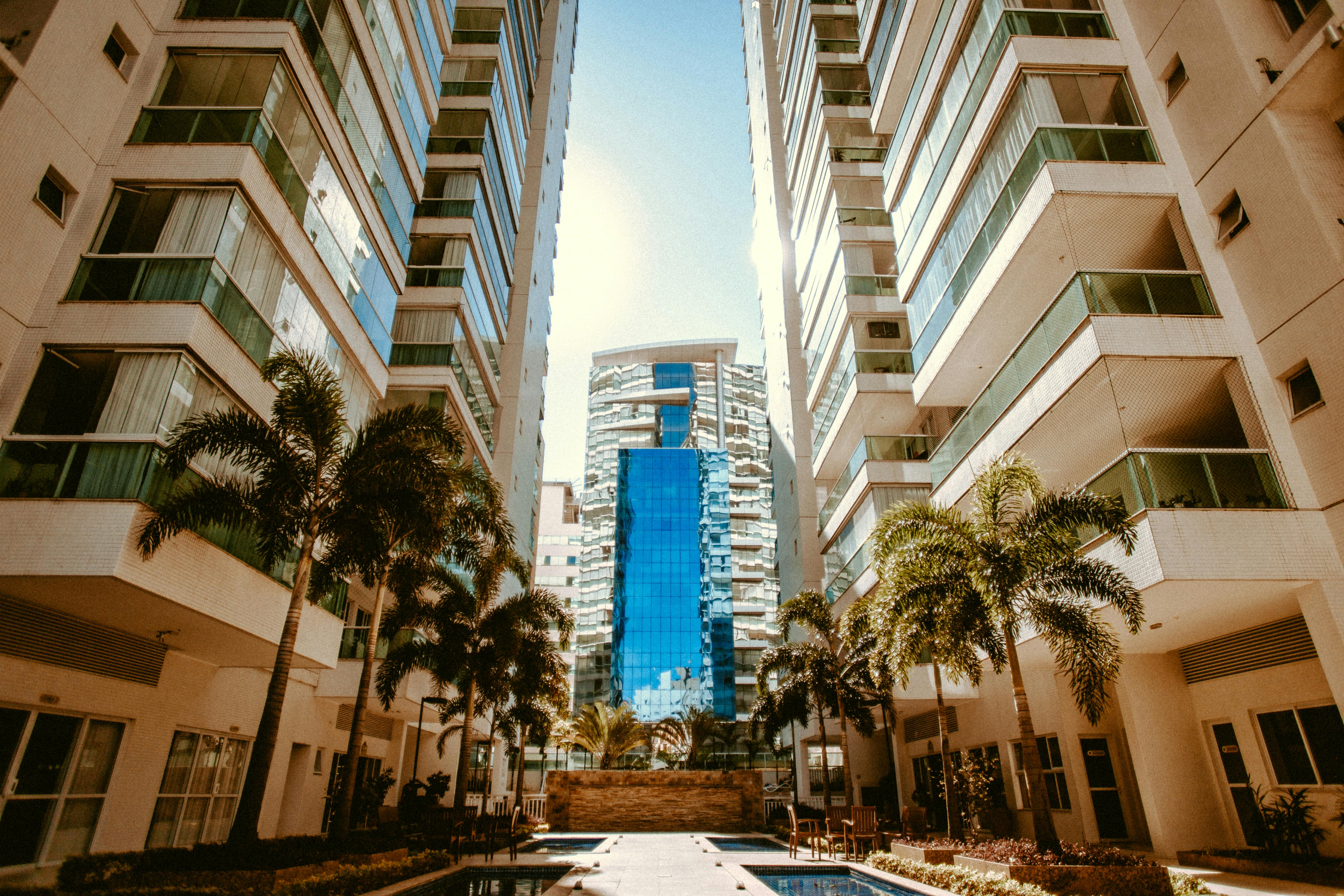
Developers who build smart-ready properties are seeing stronger leasing velocity, lower vacancy rates, and premium rents. Beyond individual units, the concept of the smart building is taking hold across the multifamily sector — where building-wide IoT networks monitor energy use, security, air quality, and occupancy in real time, creating more efficient, sustainable, and attractive communities.
The definition of luxury living has evolved dramatically. In 2026, the most sought-after properties aren't just offering granite countertops and rooftop pools — they're offering wellness ecosystems. Fitness centers have expanded into full wellness suites with yoga studios, meditation rooms, and even infrared saunas. Outdoor green spaces, biophilic design elements (natural light, living walls, water features), and air-quality-monitored interiors are commanding premium price points across both rental and for-sale markets.
This shift reflects a broader cultural change: residents want their home environment to actively support their health and wellbeing. Developers and property managers who invest in thoughtful wellness programming — not just physical amenities, but curated community events and mental health-supportive environments — are seeing measurable improvements in resident retention and satisfaction.
The most exciting development projects in 2026 aren't single-purpose buildings — they're vibrant, multi-layered communities that blend residential living with retail, dining, coworking, and entertainment. Mixed-use development has become the gold standard for urban and suburban placemaking, and the projects making headlines are those that feel deeply rooted in the character of their neighborhood.
What separates a great mixed-use project from a mediocre one in today's market is authenticity. Residents and consumers are drawn to spaces that offer genuine experiences — local food concepts, maker markets, pop-up events, and flexible coworking lounges that foster connection. For developers, mixed-use projects also offer a hedge against market volatility: diversified revenue streams across residential, commercial, and retail reduce exposure to any single sector's performance.
The multifamily sector is undergoing a design renaissance. After years of cookie-cutter floor plans, developers are embracing flexibility, creativity, and community-driven design. Key trends for 2026 include co-living suites that appeal to cost-conscious residents seeking connection, multigenerational layouts that accommodate extended families, and hybrid work-ready units with built-in office nooks and soundproofing.
Common areas are evolving into destinations rather than corridors — curated lobbies, coworking lounges, pet spas, rooftop garden terraces, and maker spaces that give residents reasons to leave their unit and engage with neighbors. According to leading design firm Gensler, the multifamily properties that will outperform in 2026 are those that prioritize community experience as a core design principle, not an afterthought.
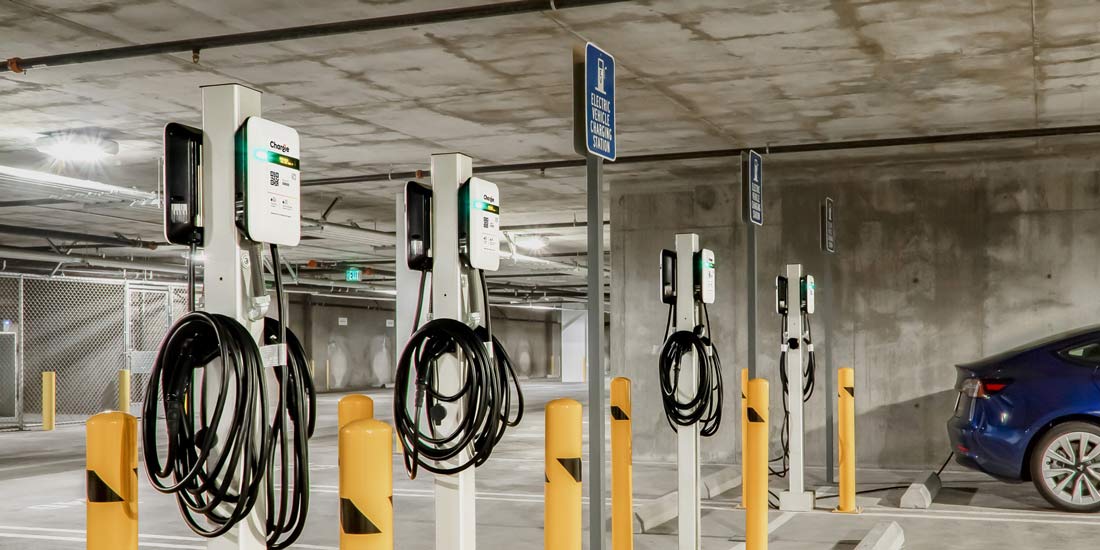
Environmental sustainability has moved from a nice-to-have to a hard requirement for institutional investors, and it's increasingly influencing individual buyers and renters too. Energy-efficient buildings with green certifications (LEED, ENERGY STAR), solar integration, EV charging infrastructure, and smart energy management systems are commanding higher valuations and attracting a growing pool of ESG-conscious capital.
Municipalities are also accelerating this trend through building codes and incentive programs that reward sustainable development. Developers who incorporate green building practices from the ground up are not only doing right by the environment — they're building properties that are more resilient, cost-efficient to operate, and aligned with where the market is heading.
At Skyline Property Consulting Group, we're not just observing these trends — we're building them into everything we do. From smart-enabled residences and thoughtfully designed shared spaces to communities that prioritize both modern living and long-term value, our properties are designed for the way people actually want to live today. Explore our current listings and see what the future of real estate looks like — right here in New Jersey.



 English
 Arabic
 Turkish
 Spanish
 French
 Italian
 Polish